
When you’re on the 232 you know the regulars – overheard conversations picked up where they left off on the last journey, the driver greeting people by name, someone asking after one of the school kids who isn’t at their usual stop.
This World Mental Health Day the theme is “Lived Experiences Heard: Real Voices, Real Change”. We’re not a mental health organisation. We run a bus. But we hear a lot from the people on it, and what they tell us is worth passing on.
The Problem
Rural isolation isn’t about the absence of people – it’s about the distance between them. In and between our villages, everything you could possibly need is perfectly reachable… when you have a car. When you don’t have one, the countryside is a good deal emptier and a great deal lonelier.
But loneliness is only part of it. Mental health support is rarely on your doorstep in a village. Appointments, assessments, groups and follow-ups tend to sit in the towns, at the end of a journey. If the journey can’t be made, the care doesn’t happen, however good the care is.
Some people don’t drive because of their health. Anxiety, medication, a condition that makes driving unsafe – for them a bus isn’t the cheaper option, it’s the only option. And then there’s what it costs to keep a car on the road when money is already tight, and what it does to a person to have to ask for a favour every time they need to go somewhere.
Independence is good for people. Having to ask for it isn’t.
What the Research Says
The strongest evidence we have on the impact bus connectivity has on mental health comes from a study of more than 18,000 people aged 50 and over published in the Journal of Epidemiology and Community Health. It used the arrival of the free bus pass as a natural experiment: becoming eligible increased people’s use of public transport by around 8%, and those who travelled more reported fewer depressive symptoms and less loneliness. The study dates from 2018 and remains the one most often cited, including in a Commons debate on free bus travel in January.
More recent work points the same way. In July 2025 the Social Market Foundation measured how dependent people are on their cars by asking how dissatisfied people were with their local public transport, then comparing that against national loneliness data. The more dependent people were, the lonelier they reported feeling. The effect was strongest in rural towns and weakest in cities, where people have other options.
Numerous research papers site harmful consequences for the physical, mental and social wellbeing of people who have lost access to the ordinary journeys that hold a life together.
What Our Passengers Say
We don’t have to imagine what happens when bus routes are chopped. It’s already happened. It’s why the Daff exists. When we ask passengers why they use the bus, this is what comes back.
- “If it wasn’t for this bus I’d be stuck. I care for two elderly parents, so I really need this.”
- “I work with volunteers, branch members in Ross. This bus has given me a purpose and so I am back volunteering. Learning to drive but will still use the bus.”
- “Amazing service. A lifeline to many. We call it the fun bus as it is the option we use to travel to Ross for a fun night out.”
- “I had the most interesting conversation with a fellow passenger about all the walks that are possible on the route… We said goodbye. Never asked each other’s names and went our separate ways, but I believe we both came away from our bus trip chat feeling refreshed and happy.”
What Twenty Minutes Next to Someone Can Do
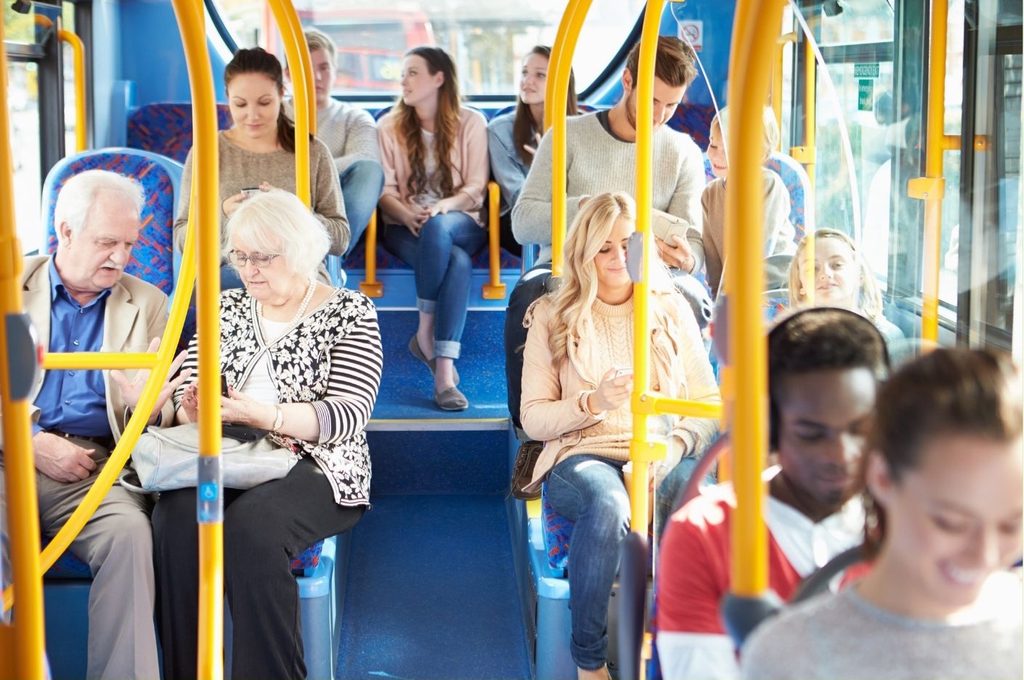
A bus is a space where you sit near people you didn’t choose for long enough that something might be said. For some passengers it’s the only conversation in a day. Drivers notice when a regular doesn’t turn up.
None of this is therapy. A bus route doesn’t treat depression or anxiety. What a bus does is get you to the appointment, the group, a conversation. It makes the things that help possible to reach.
Tell us
In the spirit of this year’s theme, we’d like to hear from you. If the 232 has made a difference to how connected you feel please share. We use what passengers tell us when we make the case for rural services, and it carries more weight than any statistic we could quote.